
.jpg)
Texas recently passed Senate Bill 1333, and it represents one of the most meaningful changes to property rights enforcement I’ve seen in years. After dealing with my first situation under the new law, I can say firsthand — the process is significantly more efficient than what property owners have historically had to deal with.
The Problem Before SB 1333
Historically, if someone unlawfully occupied a property (a true squatter — not a tenant), the only real option was to go through the eviction process.
That meant:
- Serving notice to vacate (to someone that you did not know their name)
- Filing an eviction suit
- Waiting for a court date
- Obtaining a writ of possession
- Coordinating constables to remove the person and their possessions
Even in straightforward situations where there was clearly no lease or legal right to occupy the property, owners were forced into a court-driven process designed for landlord-tenant disputes, not trespassing situations.
This resulted in:
- Weeks or months of delay
- Ongoing property damage
- Lost rent and additional costs
- Landlords feeling compelled to take risky and illegal actions to remove someone - shutting off utilities, changing locks, attempting to remove the squatters themselves
What SB 1333 Changed
Senate Bill 1333 creates a new, faster path specifically for true squatters.
Instead of going through the courts, property owners (or their agents) can now:
1. Submit a sworn complaint to law enforcement
The owner or manager provides a sworn statement that:
- The person entered without permission
- The property was not open to the public
- The occupant is not a tenant (current or former)
- The occupant has been asked to leave and refused
2. Law enforcement verifies ownership
Once submitted, the sheriff or constable reviews the documentation to confirm ownership and the nature of the occupancy.
3. Immediate action to remove the occupant
If the criteria are met, law enforcement can:
- Serve notice to vacate
- Remove the unauthorized occupant
- Restore possession to the owner
This happens without filing an eviction case first.
Why This Matters
The key distinction is this:
SB 1333 separates true squatting from landlord-tenant disputes.
- If someone has a lease → eviction process still applies
- If someone has no legal right to be there → law enforcement can act directly
This closes a major gap that previously allowed bad actors to delay removal simply by occupying a property.
My First Experience Using SB 1333
I recently had my first opportunity to use this new process, and the difference was noticeable.
Instead of preparing for a multi-week eviction timeline, we were able to:
- Identify the situation as a true unauthorized occupancy
- Work directly with law enforcement
- Move through the process much more efficiently
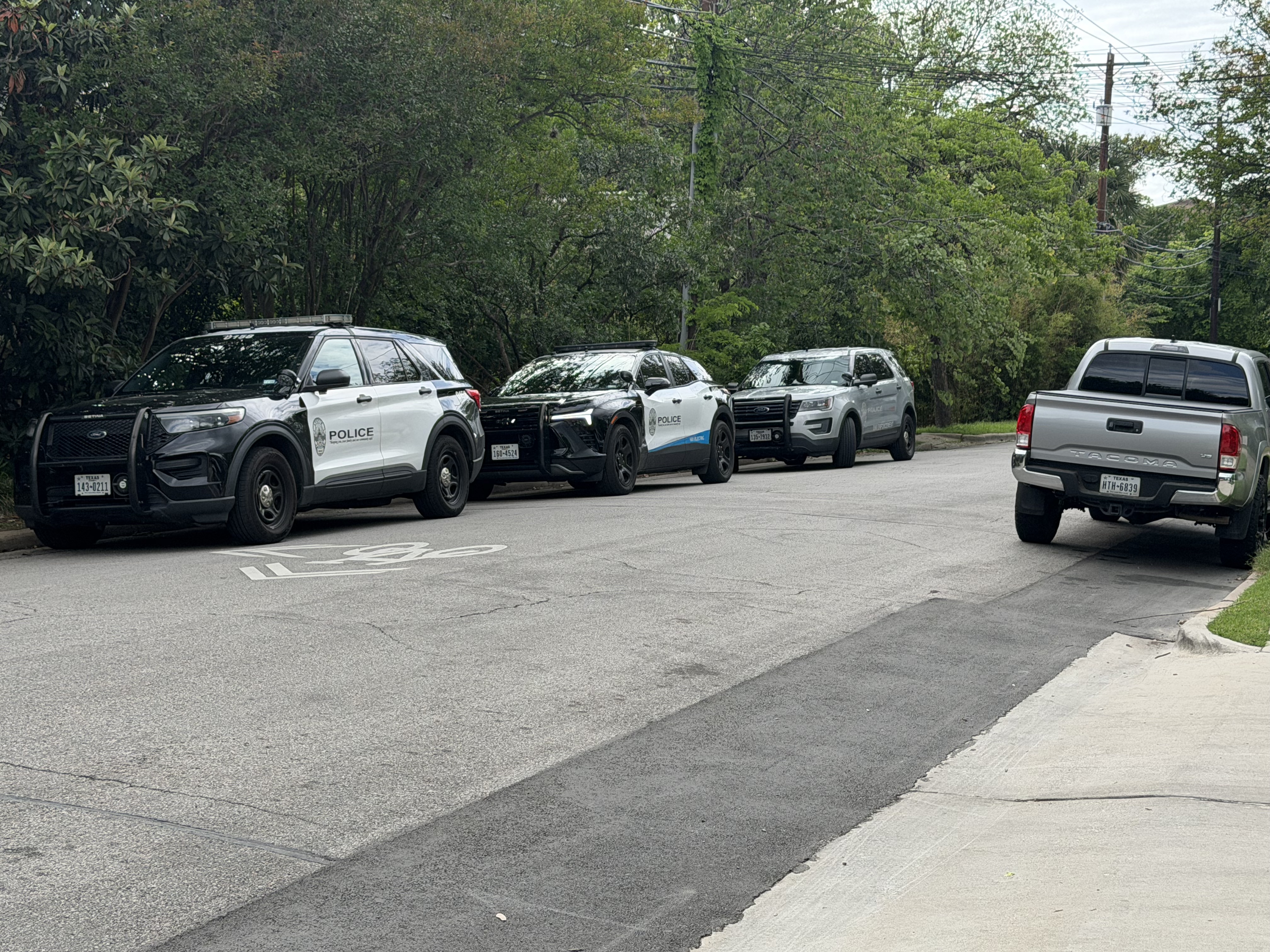
The interaction with Austin Police Department was professional and responsive throughout. They understood the framework under the new law and handled the situation appropriately.
From a practical standpoint, it felt like the system finally aligned with common sense:
- If someone doesn’t have a lease
- And doesn’t have permission
- The process to regain possession shouldn’t take weeks
In our case, during a routine check of a vacant unit that was on the market, we discovered a missing lockbox and personal possessions in a unit that was supposed to be vacant. The timeline and actions went as follows:
- Friday morning - one of our team members saw signs of occupancy and reported the issue up the chain of command
- Friday afternoon - consulted with APD and understood their process: the owner or their representative had to be at the property, request that the squatter leave, and if they refused, call 911.
- Friday afternoon - I went to the property along with a member of our maintenance team, keys or the unit, and a new lockset. The squatters appeared to be inside the unit by refused to answer the door. I called 911, reported the situation, and waited for officers to respond. They showed up in ~ 30 minutes, and asked several basic questions (was the property supposed to be vacant, was it advertised for rent, and what my relationship to the property was). They proceeded to enter the unit, and discovered that the squatters had left while waiting for them, but their stuff was still there. We replaced the locks, removed what we could from the unit, and thanked the officers for their help.
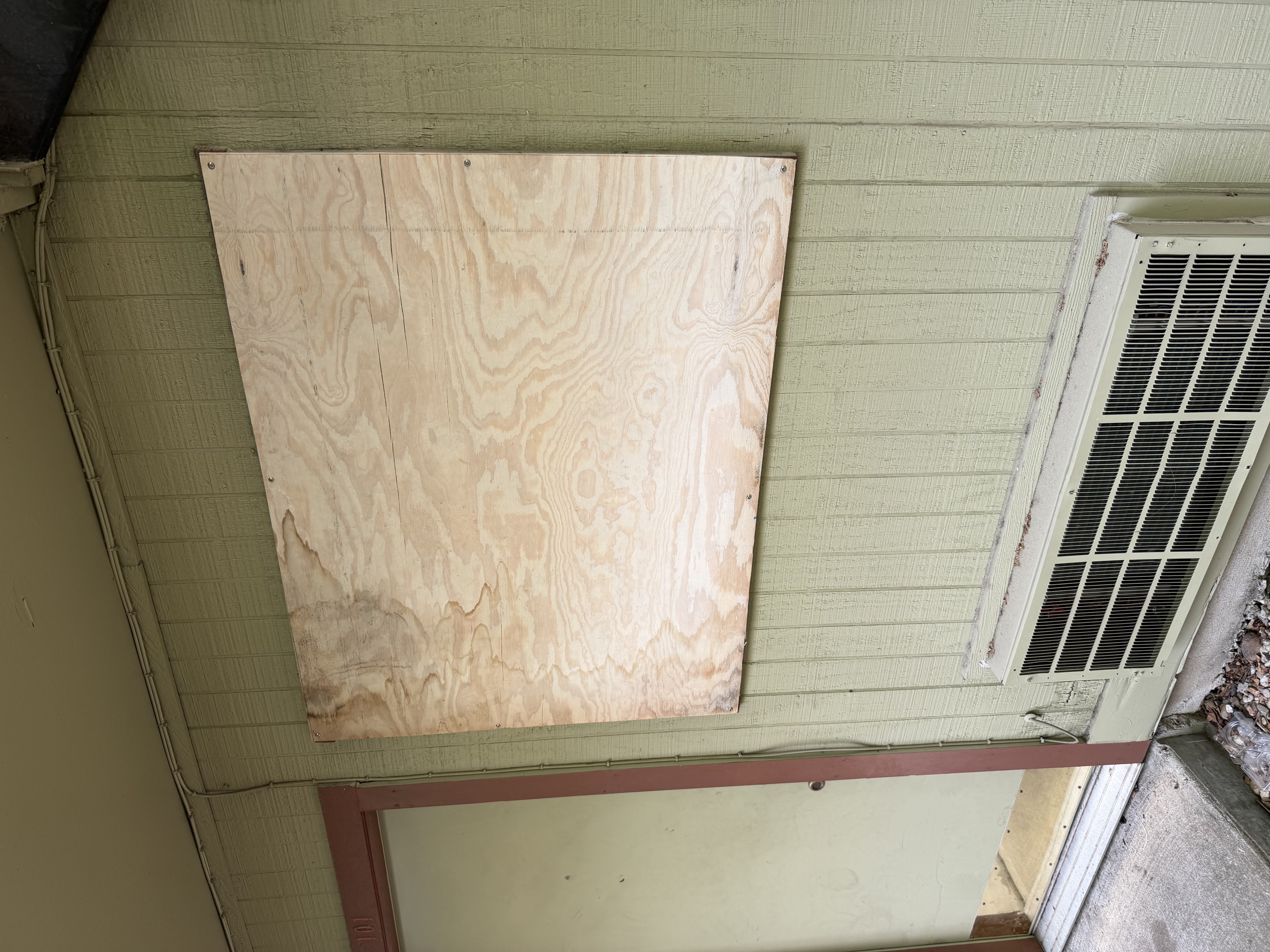
- Saturday morning - one of the neighbors reported hearing and seeing signs that the squatters were back, and observed that it looked like a window had been broken open to gain access. We called 911 to report the situation, informing the dispatcher that it was a repeat issue, and we were en route to the property. APD was there within minutes (before I made it), and removed the two squatters in the unit. They asked if we wanted to press charges (yes!), and arrested the two individuals. We boarded up the broken window and got our trash out crew mobilized to get the rest of the stuff out of the unit.
Important Limitations (What SB 1333 Does NOT Do)
This is important — SB 1333 is not a shortcut for normal eviction situations.
It does not apply if:
- The occupant is a current or former tenant
- There is any legitimate dispute over tenancy
- The situation involves a lease disagreement
In those cases, you still must go through the traditional eviction process.
There are also protections built in:
- Law enforcement must verify the complaint
- Wrongful removal can expose an owner to liability
So while the process is faster, it still requires careful and accurate use.
Final Thoughts
From my perspective, SB 1333 is a meaningful improvement in how Texas handles unauthorized occupancy.
It:
- Reduces unnecessary court involvement
- Gives property owners a practical remedy
- Allows law enforcement to address what is, in many cases, a trespass issue
Most importantly, it restores a level of balance that was missing before.
We deal with a wide range of situations in real estate, and this is one where the law has clearly evolved in the right direction.
And in my recent experience, it worked.